
As we approach the nation’s 250th anniversary, I’ve been thinking about an earlier milestone—the Centennial celebration of 1876.
Officially known as the International Exhibition of Arts, Manufactures, and Products of the Soil and Mine, the Centennial Exposition in Philadelphia was the first major World’s Fair held in the United States. Covering 285 acres in Fairmount Park, it attracted nearly nine million visitors eager to see the latest innovations and celebrate 100 years of American independence.
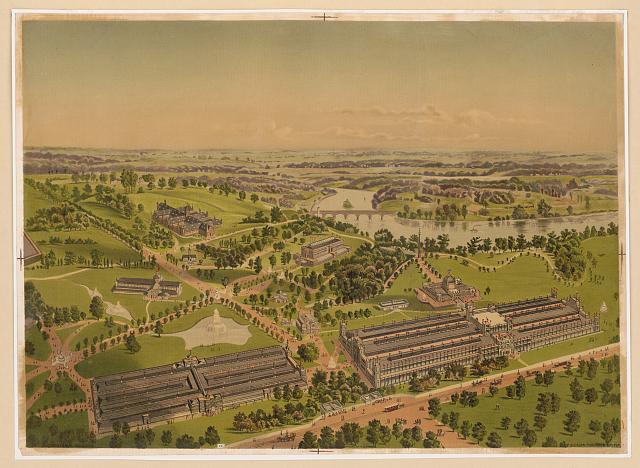
Visitors wandered through enormous exhibition halls filled with inventions and products from around the world. They could see the giant Corliss Steam Engine from Rhode Island powering Machinery Hall, sample Heinz ketchup and Hires Root Beer, examine typewriters, and hear demonstrations of Alexander Graham Bell’s telephone. Household innovations such as sewing machines and dishwashers also attracted attention.
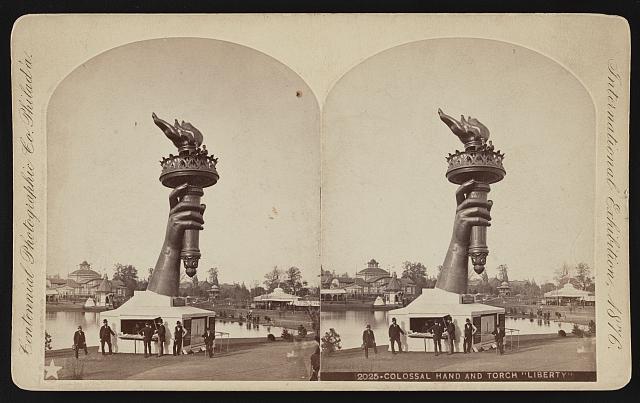
One of the most memorable exhibits wasn’t even finished. The torch and right arm of the Statue of Liberty were displayed to raise funds for the completion of the monument that would later become a national symbol.
A Resource for Family Historians
If your ancestors attended the Centennial Exposition, you may be able to find traces of their experience.
The Free Library of Philadelphia hosts an extraordinary digital collection devoted to the Centennial. The collection includes more than 1,500 photographs, stereographs, trade cards, lithographs, and other materials related to the fair. It is fully searchable and a wonderful resource for anyone interested in the event or the lives of people who experienced it.
Explore the collection here:
Free Library of Philadelphia Centennial Exhibition Digital Collection
Even if your ancestors never traveled to Philadelphia, they likely knew about the exposition. Newspapers across the country covered the event extensively, and stereographs allowed people to view scenes from the fair in three dimensions through a stereoscope.