
As America prepares to celebrate its 250th anniversary, I’ve been thinking about another milestone—the Bicentennial of 1976.
In my mind, that celebration is forever linked to Polaroid photographs.
Last week, I wrote about the Polaroids in your collection, but one memory kept coming back to me. A friend owned one of those instant cameras and carried it everywhere. We posed for pictures, waited impatiently for the image to appear, and marveled at the magic of instant photography.
Growing up in Bristol, Rhode Island, the Fourth of July wasn’t just a holiday. It was the holiday. The parade, the fireworks, and a backyard barbecue at my parents’ house were annual traditions. But during the Bicentennial, the excitement seemed even bigger. The entire country was celebrating.
My parents are long gone now, and I haven’t attended “The Parade” in years. These days, fireworks mostly give me a headache, but my Kodak snapshots remain. Those images transport me back to a time, a place, and people I loved.
Perhaps the Bicentennial was part of your own story. Maybe you remember parades, patriotic decorations, neighborhood celebrations, or special family gatherings. If you’re younger, perhaps those memories live in your parents’ or grandparents’ photographs.
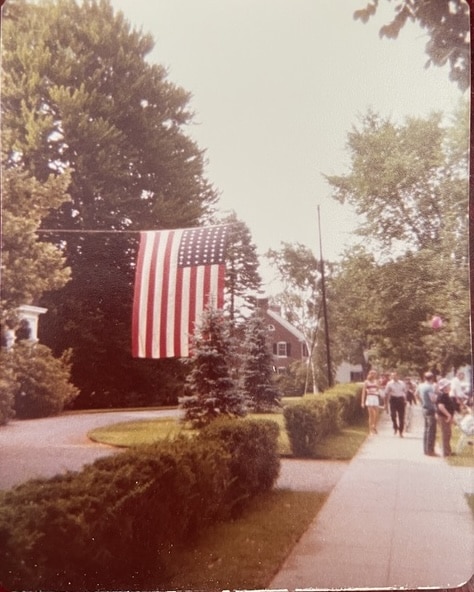
My Bicentennial Memories
For me, 1976 was especially memorable for another reason. I worked as a tour guide at a local fort, and the Tall Ships came to Rhode Island. Visitors arrived from around the world to take part in the festivities. It was thrilling to meet people from different countries and share a piece of our history with them.
If you’ve ever spent a summer day in Newport, you know there’s a certain magic in the air. During the Bicentennial, that feeling seemed everywhere.
Today, as we prepare for the Semiquincentennial—the 250th anniversary of the United States—I’ve found myself revisiting my own photographs from that era. In fact, I’ve become a little obsessed with organizing them.
Like many of you, I don’t want to leave my children with boxes of unidentified photographs and a collection of mysteries to solve.
The older family photographs are organized and identified. My more recent photographs? Let’s just say I’ve rediscovered a few boxes that survived several moves. Apparently, even The Photo Detective has unfinished projects.
As I sort through those memories, I’m reminded that preserving photographs isn’t just about protecting images. It’s about preserving stories.
Preserving Your Bicentennial Memories
If you have Bicentennial-era photographs tucked away in drawers, albums, or boxes, now is the perfect time to revisit them.
Find Them
Gather your photographs, Polaroids, slides, negatives, films, and memorabilia from the mid-1970s. Don’t worry about organizing them perfectly at first. Just find them.
Identify Them
Write down everything you know: names, locations, dates, and occasions. Even partial information can help future generations understand the significance of an image.
Label Them
Many Polaroids have a white border that provides space for notes. Use a photo-safe Zig marker to record names, dates, and events. Snapshots from this period have a resin coating that will require the Zig marker as well. It’s not advisable to use a ballpoint pen or other type of permanent marker.
Scan Them
Scan photographs at a minimum of 600 dpi in color. Even black-and-white photographs benefit from color scanning because it captures subtle tones and details.
Improve Them
You can fix those faded images using Vivid-Pix Restore and Memory Station, MyHeritage.com, or an AI tool like Gemini. Remember that AI is image generation, and it can hallucinate.
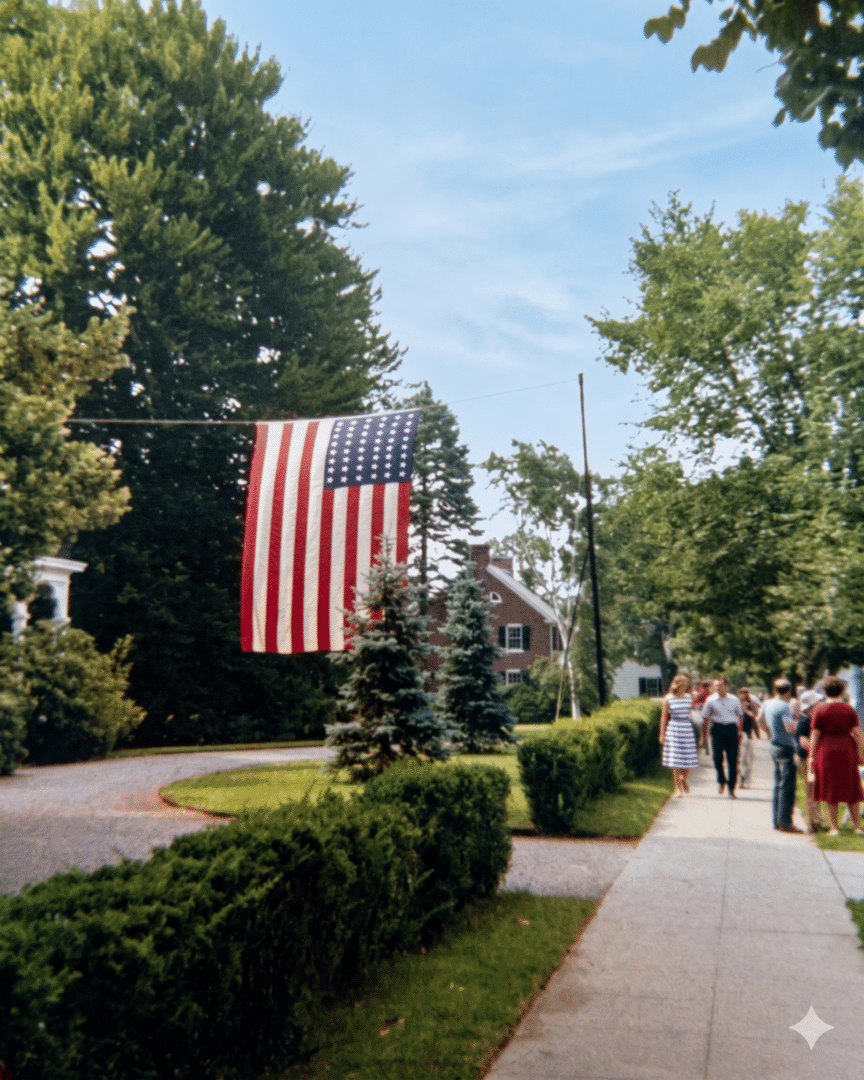
5. Organize Them
Store and organize your images in a photo management system that allows you to search, share, and preserve them. I use Forever.com for my collection because it makes sharing photographs with family and colleagues simple and efficient. For this collection, I’ll create an album, “Bicentennial.” A specific album makes it easy to share.
Just recently, while preparing for a Fourth of July project, I needed to share part of my research collection with a colleague. I created an album, shared a link, and the job was done in minutes.
Why These Photographs Matter
Photographs from 1976 are now nearly fifty years old. They document a unique moment in American history and capture the people who experienced it.
For me, those images represent family, community, and a country celebrating its past while looking toward the future.
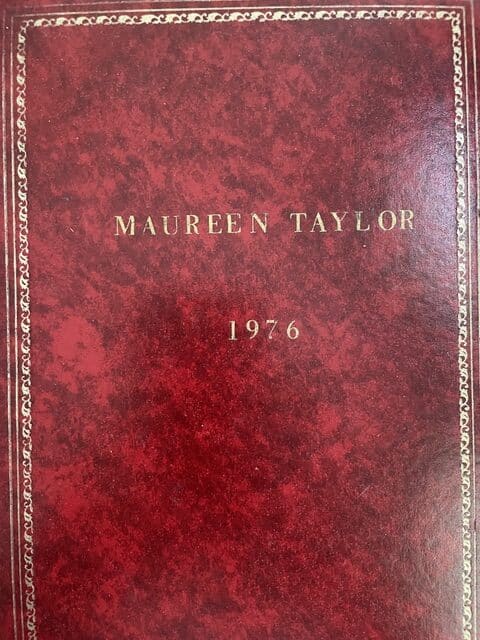
I even have an album devoted entirely to 1976.
As the nation prepares for its 250th birthday, perhaps it’s time to revisit your own Bicentennial memories and make sure the stories attached to those photographs aren’t lost.
Over on Substack, there’s a Bicentennial Memory Project where people are sharing their stories and photographs from that remarkable year.
I’d love to hear yours.
What is your favorite Bicentennial photograph or memory?