
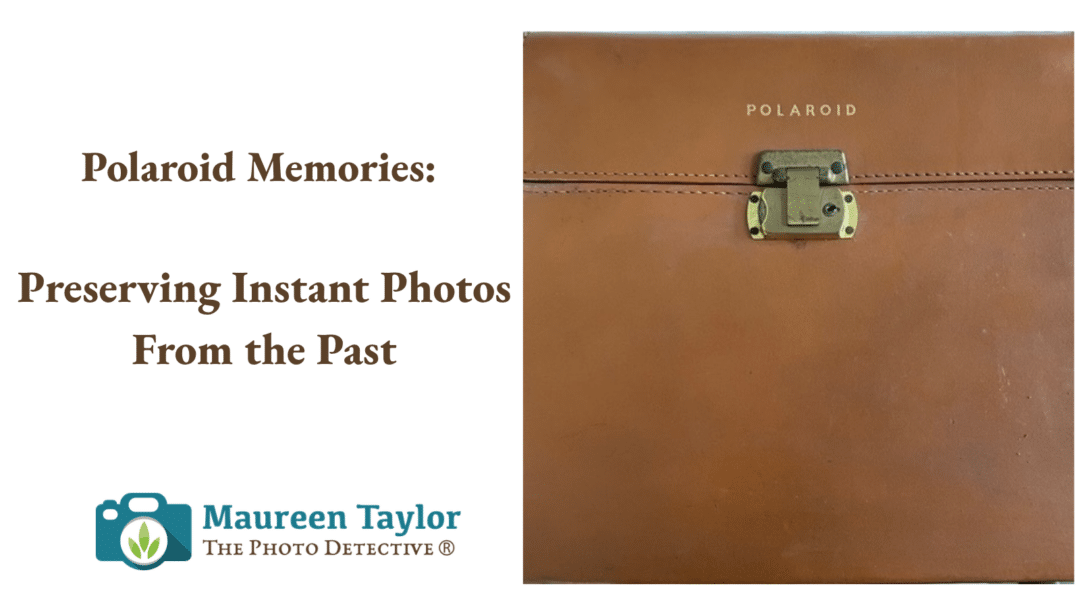
Polaroid pictures are probably tucked somewhere in your twentieth-century photo collection.
The Polaroid Corporation changed photography forever when Edwin Land introduced the first commercial instant camera in 1948. Those earliest instant pictures were black-and-white, and part of the appeal was the pure magic of seeing the image appear while you watched. Take a picture, wait a little while, and voilà—there was your photograph.
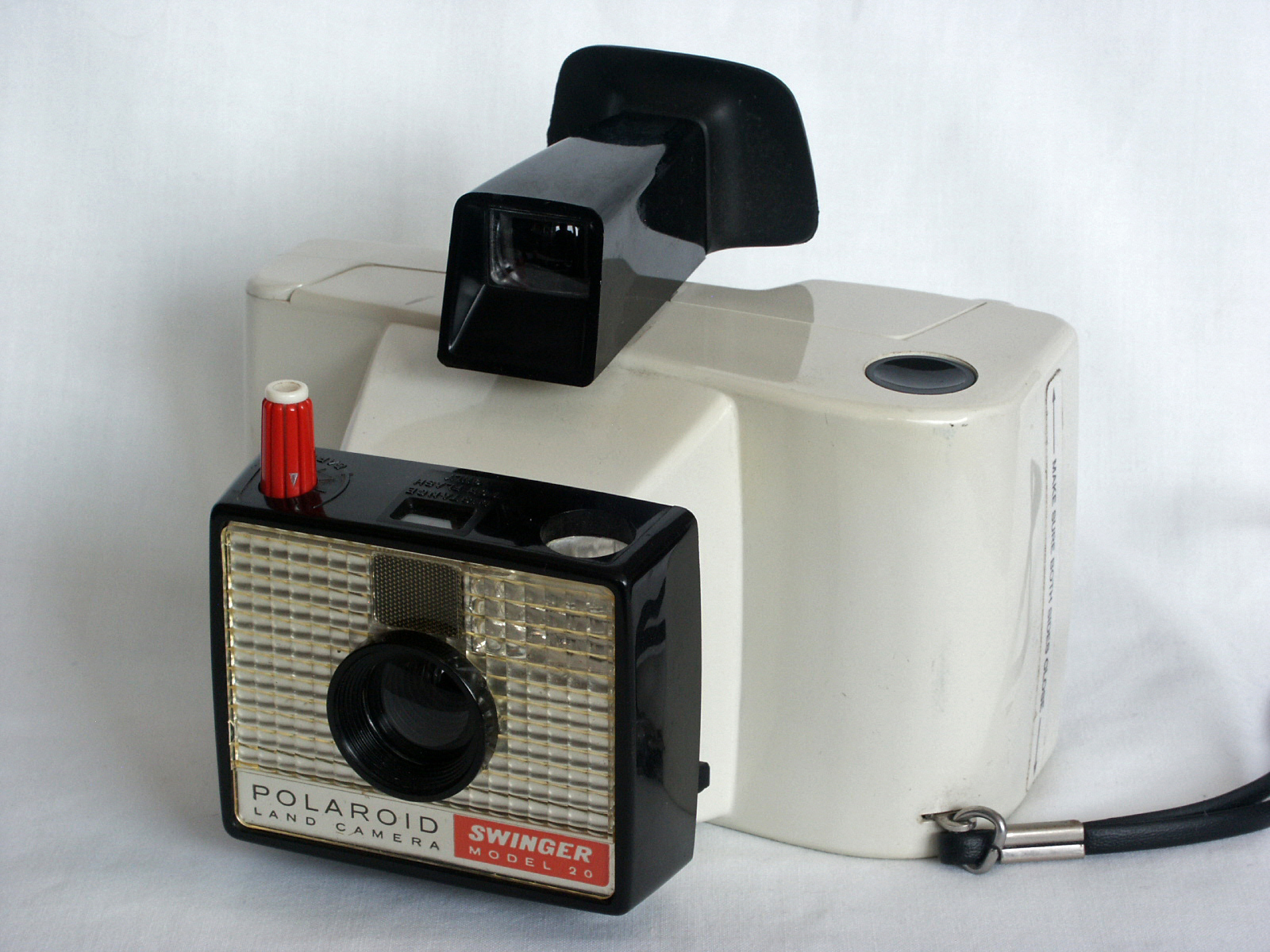
When I was a kid, I had a Polaroid Swinger. It’s still one of the treasures in my camera collection. You could carry it on your wrist and snap pictures of your friends wherever you went. To develop the image, you applied a chemical coating to the surface and waited for the magic to happen. Not surprisingly, many of those pictures have faded away over time.
Polaroids were wildly popular. You didn’t have to send film away and wait days—or weeks—only to discover you’d taken a whole roll of blurry vacation pictures. With an instant camera, you could retake the image right then and there.
It wasn’t just families who loved Polaroids. Professional photographers used them to test lighting setups, and police departments relied on them for documentation. Instant photography changed the way people worked.
Then came the iconic SX-70 in 1972. Those white-bordered pictures are instantly recognizable even today.
Unlike the earlier peel-apart prints, no chemical application was required. When the picture ejected through the rollers, the chemicals inside the film activated automatically. Wait a minute or two, and there was your image.
Interestingly, Polaroid didn’t make most of its profit from the cameras. The real money was in the film.
Like snapshots, these square instant prints captured candid moments. Family celebrations, vacations, goofy faces, kids clowning for the camera—Polaroids documented everyday life in a wonderfully spontaneous way.
Preservation Problems
But there was one problem: permanence.
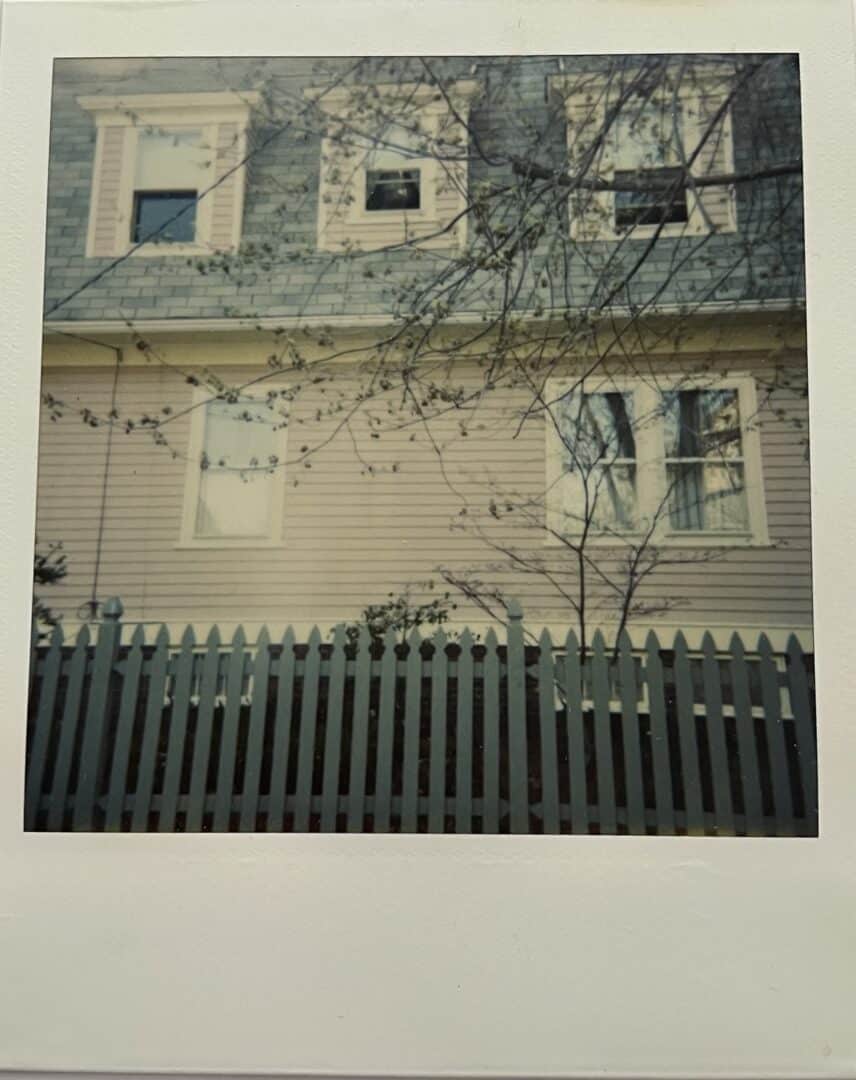
Polaroid knew these images had preservation issues. Early black-and-white prints tended to fade. SX-70 images could crack, discolor, and lose detail. In the 1980s, the company even offered a copy service. You could mail your Polaroids to them and receive print copies in return.
Eventually, popularity declined. By the late 1990s and early 2000s, 35mm photography had become cheaper and more convenient. One-hour photo labs offered fast turnaround and duplicate prints. Then digital photography arrived—and that changed everything.
Around 2010, instant photography experienced a nostalgic revival. After all, you can’t hold a digital image in your hand the same way you can a print. Suddenly, smaller instant cameras started appearing at weddings, parties, and celebrations as a way to capture the feeling of an event in real time.
Today, you can still buy modern “Polaroid-style” cameras. In my opinion, the image quality isn’t quite as good as the originals. The pictures can look soft or fuzzy. But younger generations love the nostalgic look and the tactile experience of holding a physical photograph.
One thing Polaroids have going for them?
You could write directly on that white border.
I have a lot of Polaroid prints in my own collection. My husband worked for Polaroid for several years and often brought home test cameras. Our children especially loved one model that could record and play back a message like, “Say cheese!”
Lately, I’ve been thinking about Polaroids because I rediscovered a cache of them while organizing photographs. My first thought was, “I’m never going to find an album for these.”
A quick Google search proved me wrong.
There are albums specifically made for instant prints, and honestly, they’re pretty handy. Since the pictures themselves are plastic-coated, I’m not overly concerned about storing them in plastic pages. The albums I found at B&H Photo Video fit standard 600, i-Type, SX-70, and Polaroid Go film sizes, as well as 2″ x 3″ ZINK prints. (No affiliate link—just sharing what I found.)
Take my advice:
Dig through all your photo boxes before ordering an album.
While writing this article, I discovered another cache of instant pictures. I immediately realized I should have bought the larger album.
Looking through those photographs has been a true blast from the past. Sharing them with family and friends brings back the exact moments we captured. That’s the real magic of photography.
What I’m Doing With My Polaroid Pictures
- Scanning them at 600 dpi
- Sharing the scans with family and friends pictured in them
- Placing the originals in albums
- Uploading scans to my Forever.com account
- Adding metadata: names, approximate dates, locations, and “Polaroid” as a keyword so I can instantly locate them later
Photo Detective Tip
Don’t overlook modern snapshots in your family archive. Today’s casual pictures are tomorrow’s family history. Label them while you still remember the names, places, and stories behind them.