
It’s time for another installment of Photo Stories. This time the photo comes from my client files.
Allen Kurtz has spent a lot of time trying to solve the mystery of his wife’s great aunt, Lilly Begecher/Schesser. He told me, “She is my obsession.” You know how it is. You’re making a puzzle and you can’t find the last few pieces. Frustrating and you don’t want to give up…EVER. Her life story is a twisted mess of record omissions, variant spellings, and misrepresentations in the documentation. Add to this the fact that Lilly appears to disappear for two decades and you get the idea.
Who was she really?
Her 1910 passport application stated her occupation as a dressmaker, but family suggested she was in the theater. But, what theater? Vaudeville, the traditional stage or Jewish theater. She married David Spiro in 1907 but from 1910 until her death certificate she claimed she was single. Her 1948 death certificate identified her as a widow of a man named David. Allen has done an amazing job of accumulating information on this woman’s life.
Allen came to me for help with two pictures. They depict Lilly but he wasn’t sure of the date.
The surprise was that both of these images date from the period she’s missing from public records between 1911 and 1930. By 1930 she’s reappeared in the 1930 census using the surname Schesser.
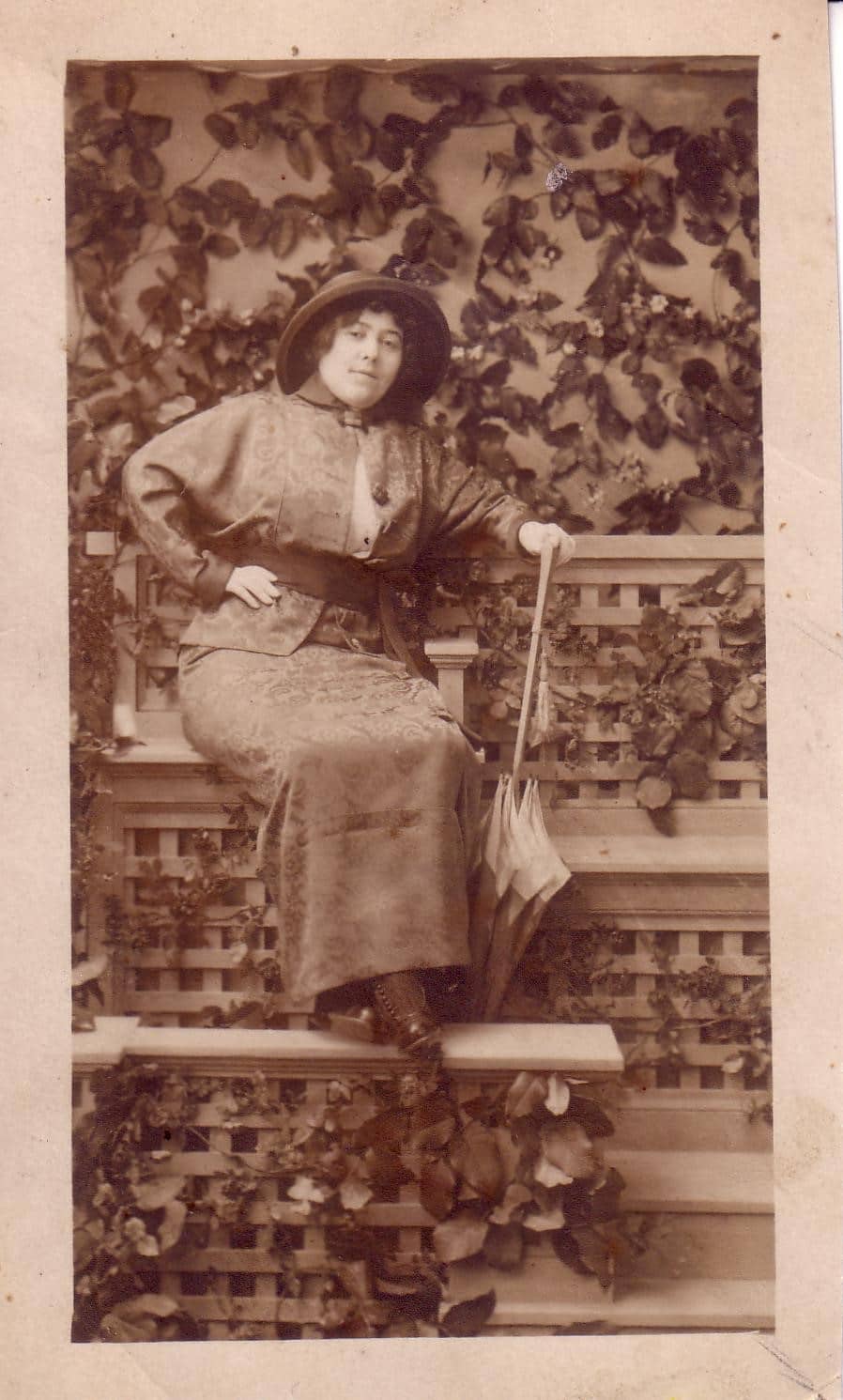
This image of Lilly dates to circa 1913. Right smack in the middle of her dark period. She wears a brocade fabric dress, a belted jacket and a wide brim hat. It was taken at Cal Calvert’s Mazeograph studio. It operated from 1906 to 1930. Calvert printed on Cyko brand paper and specialized in fast cards. Those that could be printed quickly and mailed the same afternoon.
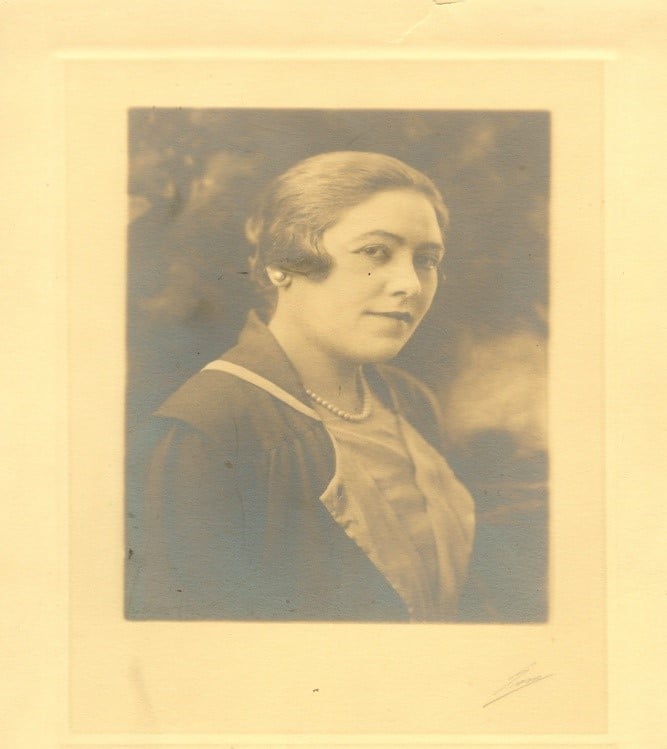
The second image of Lilly shows her in a classic studio portrait. In this image she appears to wear lipstick and eye shadow. By 1915, many American women began to wear makeup. In the same year Maybelline began offering affordable make-up while Helena Rubenstein and Elizabeth Arden opened beauty salons in New York.
Don’t underestimate your pictures to tell you a new bit of information. Lilly’s Portland studio portrait encouraged Allen to look for Lilly on the West Coast. He found a possible match in a city directory in Tacoma, Washington. He doesn’t know why she was there yet, but at least now he knows where she was for part of that twenty year period.
Timeline It
My advice to Allen Kurtz was to timeline all the data he has on Lilly and the little bits he knows about David Spiro. A timeline is a simple organization strategy. You basically arrange all the data by year and add in historical details. Instead of a timeline per person, I prefer to create these graphic charts for individual families. To do so, you’ll have to re-examine all your documentation (including the photographs). When you go back and study your genealogical data it’s quite possible to develop new research theories.