

Benson J. Lossing was a man of many talents including watchmaking, writing and engraving, but it was his sense of history that brought him nineteenth century fame.
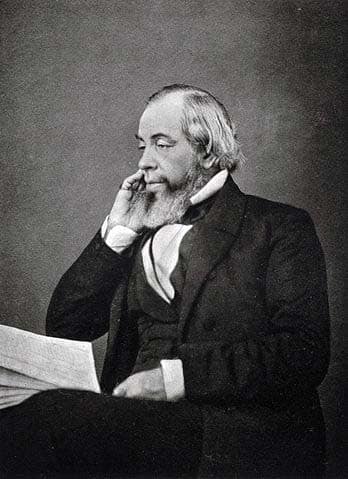
He felt that history of the American Revolution was being forgotten even by individuals living in towns with key roles in the conflict. With the seventy-fifth anniversary of the Battle of Lexington and Concord approaching in 1850, there was increasing interest in documenting that war. Lossing wanted his book to be different than those currently for sale. Not naming titles or authors, he criticized them by saying “the woof of our history is too sacred to be interwoven with the tinsel filling of fiction.” He wasn’t content to use just second hand sources. He began collecting rare books and manuscripts to further his research. He kept them all in a specially constructed fire-proof building on the property of his house.
Rather than a chronological approach he sought to visit each site to view the landscape, document remnants of the war and to seek out individuals who’d lived during the conflict. His eight thousand mile journey through all thirteen colonies and parts of Canada brought him into contact with remnants of the American Revolution. He saw “half hidden mounds of old redoubts; the ruined walls of some stronger fortification; dilapidated buildings, neglected and decaying herein patriots met for shelter or in council ; and living men, who had borne the musket and knapsack day after day in that conflict, occasionally passed under the ye of my casual apprehension.”
Harper’s New Monthly Magazine gave him a monetary advance to pursue his project and published the first installment of the Pictorial Field- book in 1850; the first edition of the book appeared in 1853. It brought him critical success. In an article in the Boston Recorder of October 5, 1854, the Literary Gazette called him “an accomplished artist and an elegant writer.” The combination of historical narrative, travelogue and personal memoir made his books popular and widely read. At the time he was considered one of America’s finest historians, a trendsetter in the genre of historical writing. Within a decade, he’d written and published similar titles on the War of 1812 and the Civil War (of which Mathew Brady contributed photographs) using the same approach as his two volume set on the American Revolution.
Not willing to include illustrations merely to embellish the text, he sought to truthfully represent the places he visited. Together with William Barrit, the pair used paintings and photographs to place living people or historical figures in the text, recreated historical scenes as well as maps and drew from life. He portrayed the ferryman, Mr. Tenyck who led him across Verplanck’s Point, a path followed by General George Washington on his march to Yorktown.
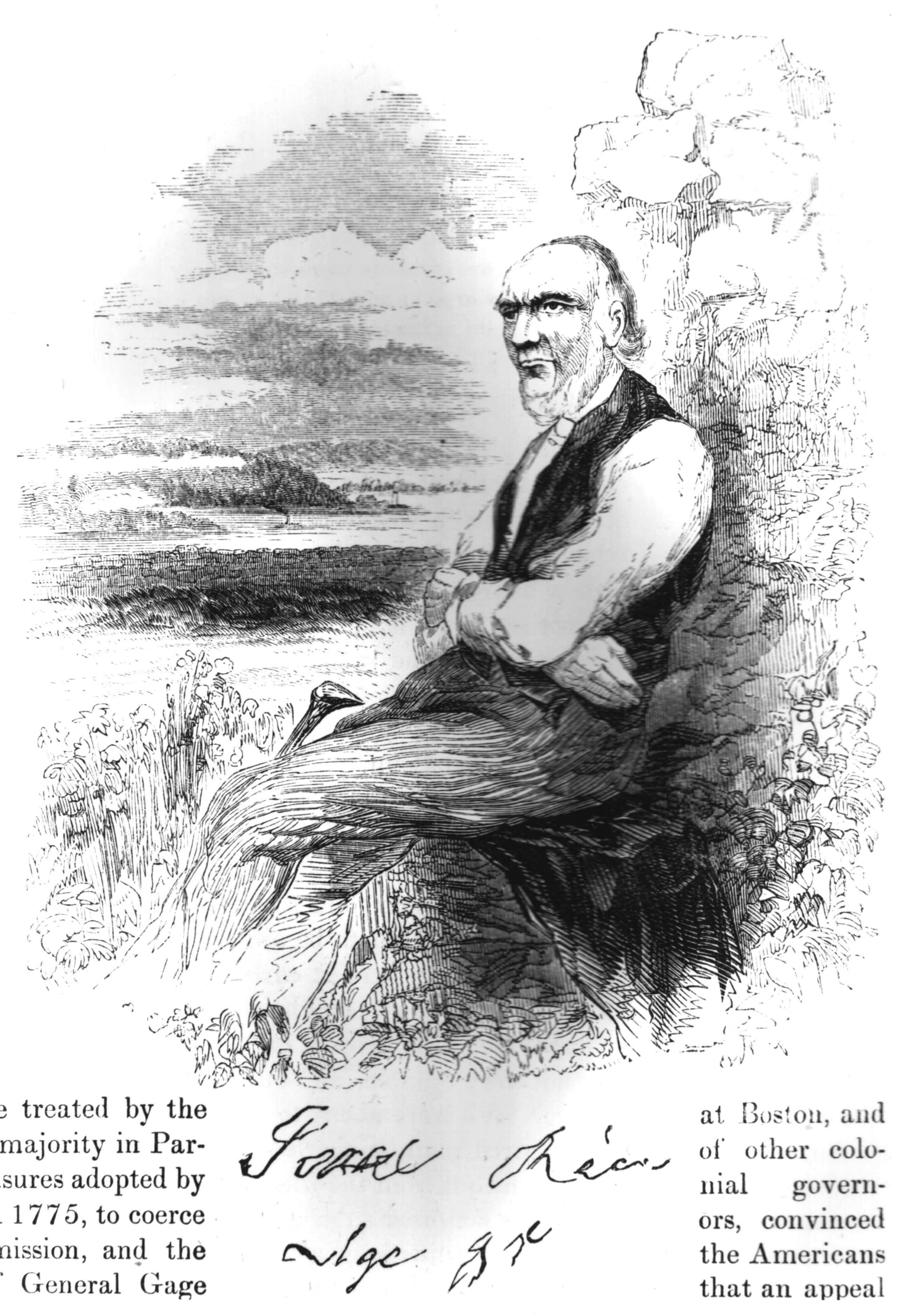
In small towns and hamlets he met veterans who recounted their wartime experiences. At Fort Ticonderoga, he met Isaac Rice who regaled him with stories and who supported himself giving tours of the fort. Each place and personal meeting inspired Lossing to continue his quest to locate bits of Revolutionary War history no matter how small.
Lossing wrote until a year before his death in 1891. His Field-book of the American Revolution remains important more than a century and a half after publication. His treasured collection is owned by various institutions such as the New York State Library, Vassar College, Syracuse University, the Clements Library and Princeton.
I have put together a free download of 5 Revolutionary War-Related Activities that you can explore. Click the button below to get your copy.
Download “5 Revolutionary War-Related Activities”
You can buy your copy of The Last Muster books by clicking here.